Skip to content
Applied Physics · Rice University · Nordlander Group

AtaollahKalantari Osgouei

Computational nanophotonics, plasmonics & metasurfaces.

Research explores how light interacts with matter at the nanoscale, combining electromagnetic simulations, analytical theory, and experimental insights to develop plasmonic devices and tunable metasurfaces.

Portrait of Ataollah Kalantari Osgouei
Houston, Texas2026 / Applied Physics
An atlas of light / Research explorer

Small structures.
A spectrum of possibilities.

From visible color to invisible heat.
Explore the optical regimes behind my research.

01 / VISIBLE≈400–700 nm

Color. Charge. Chirality.

Shaping how nanostructures interact with visible light.

02 / NEAR INFRARED1.55 μm

A different direction.

Engineering asymmetric transmission at telecom wavelengths.

03 / THERMAL INFRARED3–12 μm

Designing the invisible.

Controlling where structures absorb and emit thermal radiation.

Explore a research direction ↗Conceptual map · projects may span multiple bands
01 / Research

Physics first. Then the device.

The common thread in my work is a simple one: understand the electromagnetic mechanism well enough that the simulation becomes explanatory—not just predictive.

Chiral light–matter interactions

When handedness becomes an optical variable.

Chiral silver-nanowire films coupled to dye molecules provide a platform for exploring how nanoscale structure shapes the response to circularly polarized light. Electromagnetic modeling helps explain the circular dichroism observed experimentally.

Ask me about this work →
Circularly polarized light interacting with gold nanohelices and crystal violet molecules Panel 1(a) from Jones and colleagues, Nature Photonics (2024). Left- and right-circularly polarized incident light produces different hyper-Raman scattering intensities from molecules on gold nanohelices. A literature example, separate from the author's silver-nanowire research.
Research example from the literature Chirality conferral through plasmonic nanohelices. Jones et al., Nature Photonics 18, 982–989 (2024), Fig. 1(a). Source · CC BY 4.0. Display cropped to the schematic; original artwork unchanged. This example illustrates the research theme and is not the author’s work.
R / 02

Active & switchable metasurfaces

Phase-change materials such as Sb₂S₃ and VO₂ enable flat optical structures with tunable resonances, allowing active control of color, absorption, and photodetection.

J. Phys. D 2022 · Plasmonics 2021 · IEEE AP-S 2024
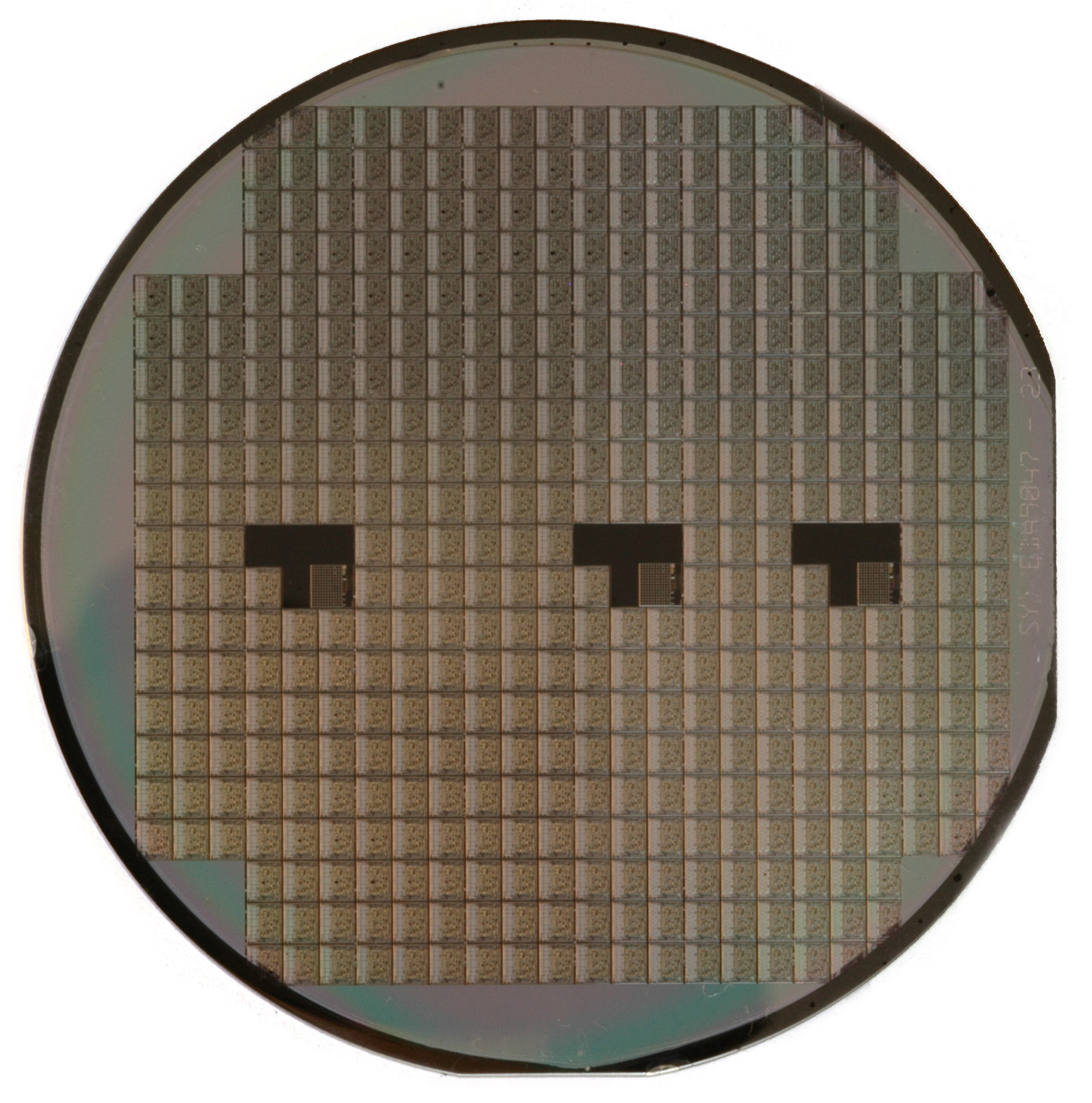
Silicon wafer; illustrative photograph, not the author’s device
Silicon waferIllustrative image · Inductiveload · Public domain
R / 03

One-way light at telecom wavelengths

An optical-diode concept for the 1550 nm band that transmits about 88% in one direction and less than 3% in the other, independently checked with RCWA and FDTD.

J. Phys. D: Appl. Phys. 54, 365102 (2021)
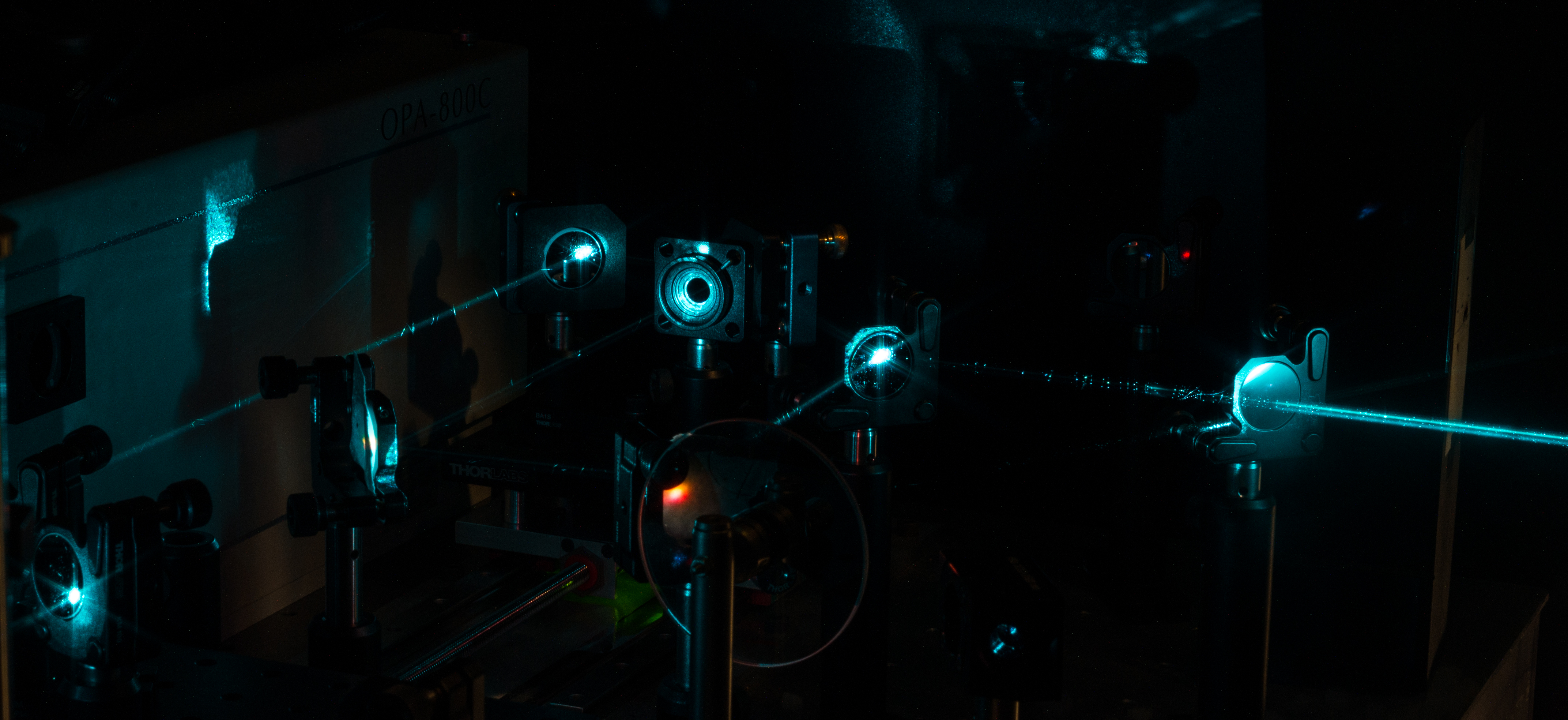
Laser optics on an optical table; illustrative photograph, not the author’s device
Laser optics on an optical tableIllustrative image · Pawel Nowakowski · CC BY-SA 4.0
R / 04

Selective thermal emission

Nanoantennas that place strong absorption where it is useful while suppressing emission in atmospheric windows used by thermal cameras. One design targets 1.5, 2.3 and 6 μm.

J. Opt. 2021 · Nanoscale 2023 · IEEE Access 2021
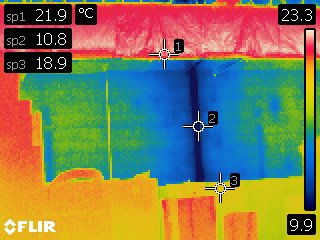
Thermal-camera view of an industrial wall; illustrative photograph, not the author’s device
Thermal-camera view of an industrial wallIllustrative image · DavidRowellNorthwestern · CC BY-SA 4.0
R / 05

Light-driven chemistry

Electromagnetic modeling of a two-dimensional MXene photocatalyst helps explain how plasmon-generated hot electrons drive hydrogen-producing surface reactions under red-light irradiation.

ACS Nano 19, 17006 (2025)
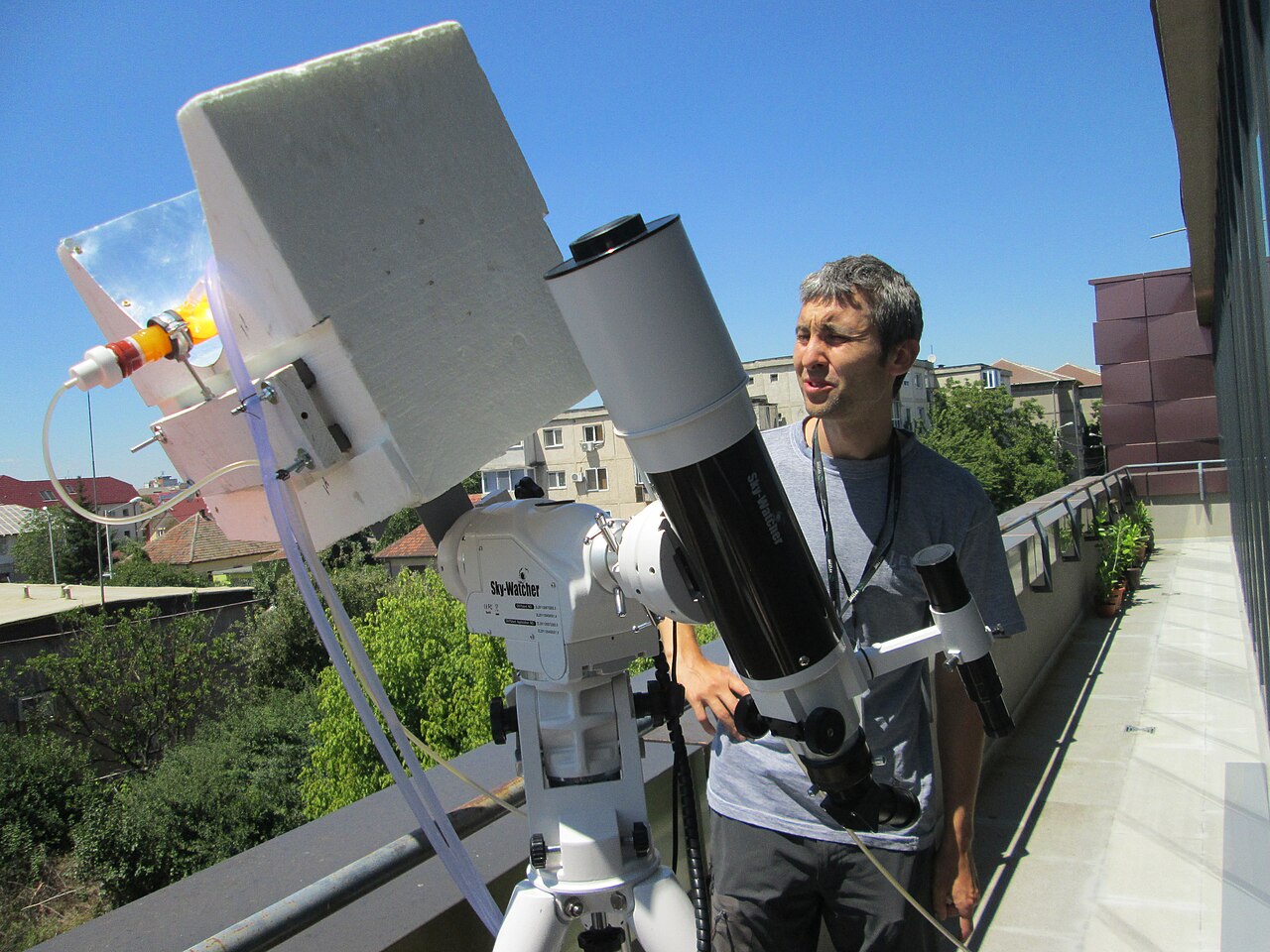
Solar photoreactor · LERF, Timișoara; illustrative research photograph
Solar photoreactor · LERF, TimișoaraIllustrative example · Mihai-Cosmin Pascariu · CC BY-SA 4.0
R / 06

Simulations you can trust

Mesh-convergence tests and comparisons with analytical theory establish the reliability of electromagnetic simulations. A custom core–shell Mie solver in MATLAB and automated FDTD/FEM parameter studies support the design process.

FDTD · FEM · RCWA · Mie theory · Lumerical · COMSOL · CST
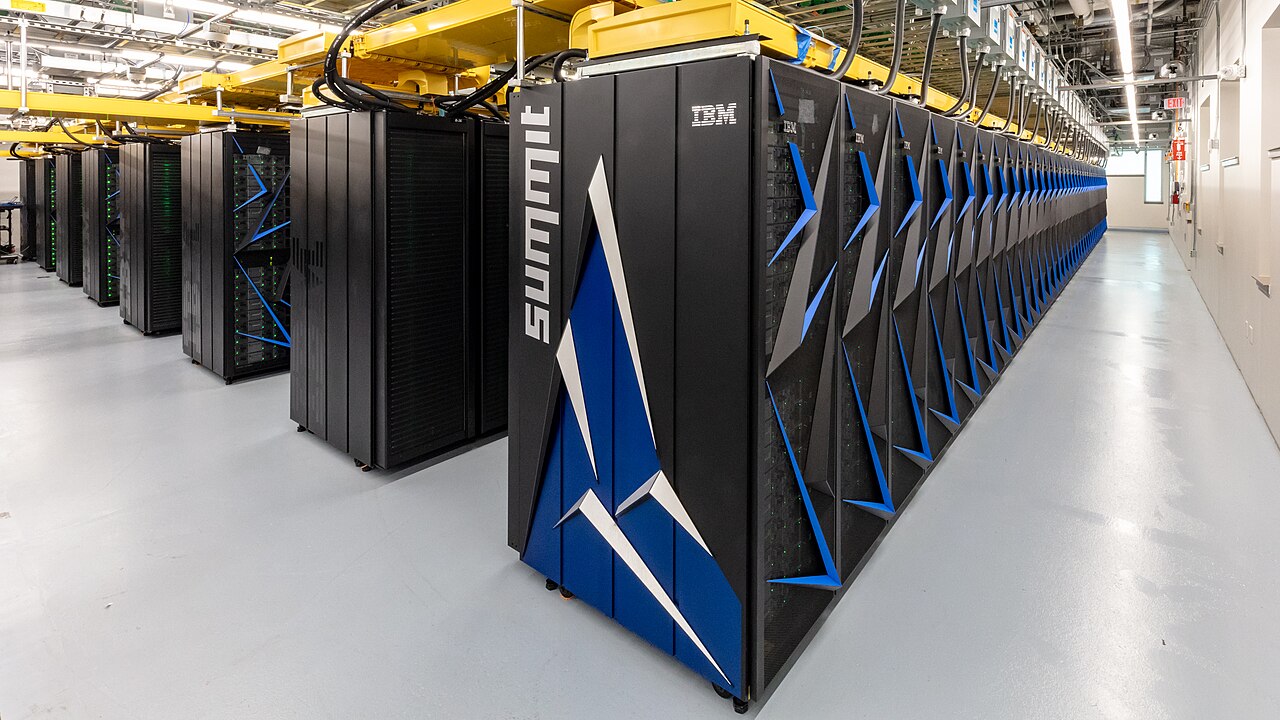
Summit supercomputer · Oak Ridge; illustrative research photograph
Summit supercomputer · Oak RidgeIllustrative example · ORNL / Carlos Jones · CC BY 2.0

See all journal and conference publications on Google Scholar →

2023 — now

Rice University · Ph.D. in Applied Physics

Graduate Research Assistant in the Nordlander Group. Full-wave modeling of plasmonic nanoantennas, metasurfaces and chiral light–matter interactions.

2018 — 2023

NANOTAM, Bilkent University · Researcher

Designed, simulated, fabricated and measured plasmonic and phase-change devices for photodetection, thermal emission, solar energy and optical isolation.

M.Sc.

Bilkent University · Physics

Advisor: Prof. Ekmel Özbay. Full scholarship. Thesis work on plasmonic absorbers, infrared emitters and optical isolation.

B.Sc.

Middle East Technical University · Physics

High honors. Ranked first of 110 students.

04 / Contact

Let’s talk about light.

For questions about my research, collaborations, or opportunities in computational nanophotonics and plasmonics, email is the best way to reach me.